Yessss, Girl! The Relationship Between Body Image and Exercise in Women
Over the years, I have coached many athletes of all genders, races, and abilities. One of the biggest benefits I see in women in particular is that women who exercise have great body image and self esteem.
While the athletic ability that beginner lifters gain is amazing, the real success for me is in watching their confidence grow. I see this in youth athletes, as well as grown women, like myself. The days I go into the weight room and deadlift are the days I walk around the world knowing that I am awesome. The days that I don’t, well, l don’t.
Studies have shown that a girl’s self-confidence plummets during puberty. (Stewart, Tiffany. “The Female Athlete Body Project.”) A survey of 3,000 children found that at the age of 9 a majority of girls were confident, assertive and felt positive about themselves. But by the time they reached high school fewer than a third felt that way. The survey, commissioned by the American Association of University Women, found that boys, too, lost some sense of self-worth, but they ended up far ahead of the girls. For example, when elementary school boys were asked how often they felt "happy the way I am," 67 percent answered "always." By high school, 46 percent still felt that way. But with girls, the figures dropped from 60 percent to 29 percent.
Among the girls, race is a factor in the retention of self-esteem, the survey found. Far more black girls surveyed were still self-confident in high school compared to white and Hispanic girls, and white girls lost their self-assurance earlier than Hispanic girls. This survey makes it impossible to say that what happens to girls is simply a matter of hormones, If that was it, then the loss of self-esteem would happen to all girls and at roughly the same time. The study found that overall, boys had a higher sense of self-esteem than girls in elementary school and retained it better over the years. (Harber, Victoria. “The Female Athlete Perspective” Canadian Sport for Life.)
Adolescence is the moment when girls begin to doubt themselves: while 11-year-olds tend to be full of self-confidence, she said, by 15 and 16 they start to say, " 'I don't know, I don't know, I don't know.” This is known as “Loss of Voice.” In my experience, adding exercise and specifically Weight Lifting into an adolescent girls’ life can prevent or even reverse the low-self esteem often seen during this time. Specific training outside of their sport is also important. They may be mediocre at their sport, but because training in the weight room is more of a process goal (rather than a product goal) everyone can excel at it. I can’t overemphasize this enough: if we get our girls lifting at a younger age (and yes, it’s totally fine for them, physically, and no, there is nothing to worry about from a health-perspective) they will be happier, have higher-levels of self esteem and learn how to strengthen their passion. Are there many things more important than that?
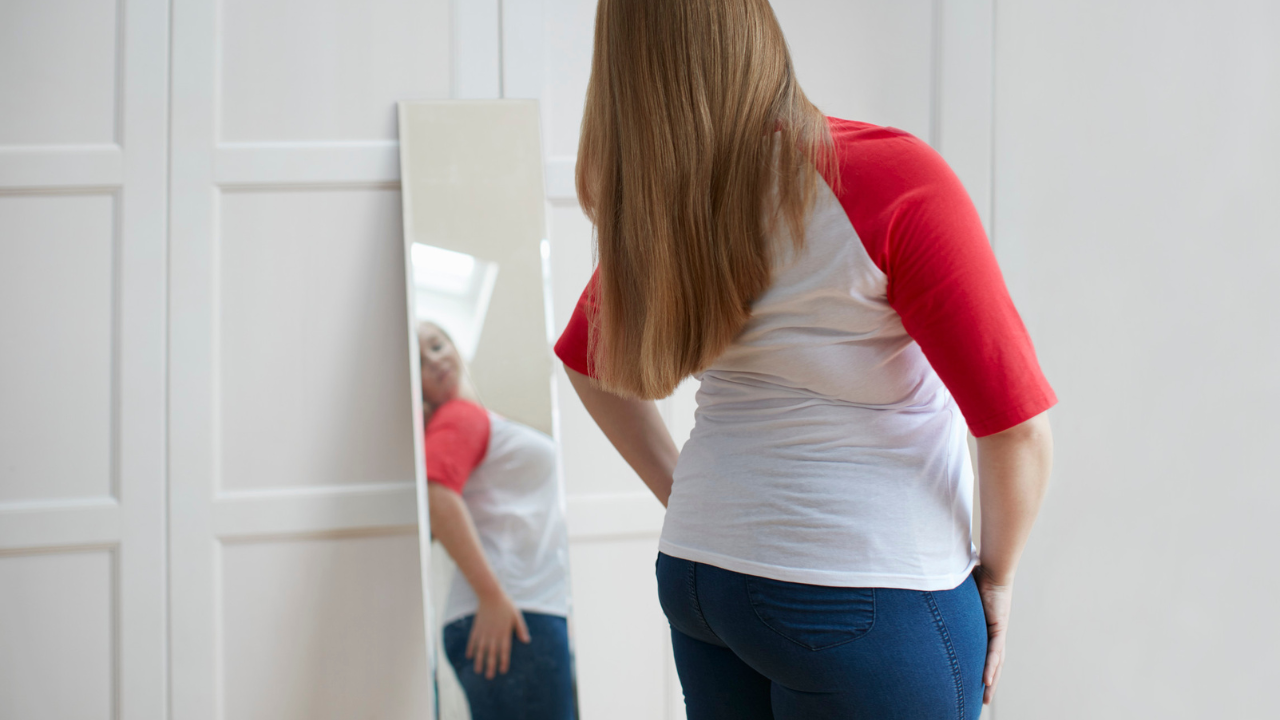
But body image is a huge issue for female athletes, who can be more concerned about not building muscle than male athletes are. This is a unique societal influence that coaches must be aware of and work to overcome. Statistics about weight and body fat percentages are often fabricated, inflated, or deflated and provide unrealistic expectations for female athletes. Just think about how often people lie about their age or what they weigh. The only body fat percentage information given to athletes, if at all, should come from the coach, trainer, sports medicine staff, or exercise science department. Female athletes must be reminded of what height and weight is normal for their sport and their body type.
Eating disorders are another issue that many women face and are becoming more common in men as well. It is estimated that 1-3 percent of Americans suffer from anorexia and an additional 1-3 percent suffer from bulimia. Binge eating disorder is also on the rise. Some athletic programs have adopted a head-in-the-sand approach to issues of eating disorders, body image, and nutrition. This does a great disservice to these women. The solution is addressing the issues, not avoiding them. Education and the promotion of positive role models are essential for female athletes. Female athletes need to be exposed to athletes or photos of athletes similar to themselves who have a body composition that is considered acceptable for their sport. All too often visual role models for women are fashion models or entertainers who do not have the attributes of the average female athlete.
There are so many reasons to get women in the weight room. The benefits are clear and well documented. But in my opinion, one of the most important and yet overlooked benefits is increased confidence, self esteem and body image.