Special Considerations for Training the Female Athlete
Throughout the course of my career, I have noticed that I LOVE teaching women to lift weights. The look on their faces when they’ve just done something that they consider really hard-like a deadlift or a power clean, makes all the long hours worth it. Girls face many different issues in regards to self-esteem, sports performance, empowerment and exercise, and in my experience, the “cure” for most of these issues is weightlifting. I don’t care what kind of day you are having, if you throw some heavy weight on the bar and lift it, pretty soon, you’ll leave feeling invincible.
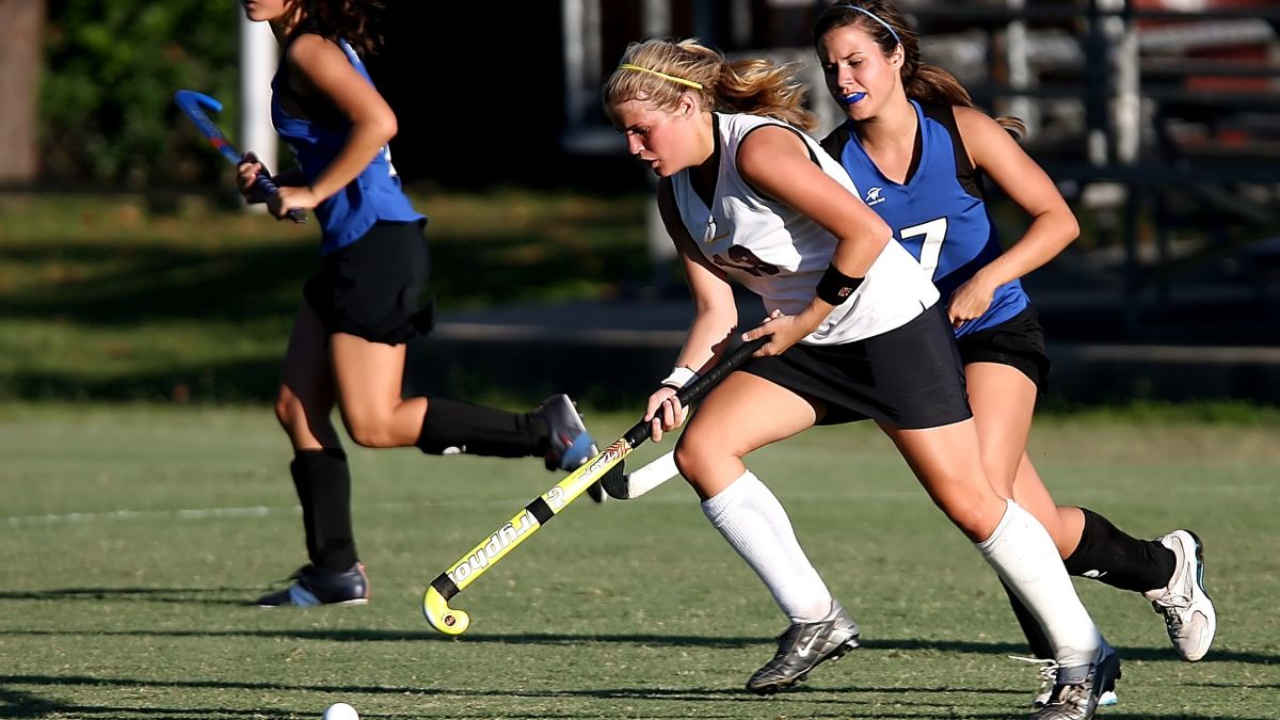
Let's talk a little bit about some of the considerations that need to be accounted for when training women of all ages. Female athletes are not too physically different from their male counterparts, but there are a few notable differences worth mentioning. Female athletes who participate in sports involving jumping and making swift changes of direction have been found to have twice to six times the risk of injury compared with male athletes participating in similar sports. The injuries are not predominantly a result of contact between players, but more often in response to jumps, hard landings, sudden pivots. Exercise scientists have been unable to provide a single reason as to why females have more injuries; however, a variety of theories have been given, including: differences in training and/or coaching of male and female athletes; variations in ligament laxity; and anatomical differences (e.g., women having wider hips than men and the effects of hormonal changes during the menstrual cycle). Specifically in relation to knee injuries, recent research has suggested that the higher prevalence of injury in female athletes may simply be down to female athletes’ tendency to land from jumps with straighter knees than males and that the imbalance between quadriceps and hamstring strength is more marked than in men. Both are issues that can be addressed through training.
- A woman’s lung capacity is, on average, 25–30% lower than a man’s. Men can process more oxygen, giving them an advantage when undertaking aerobic training. The average female heart is 25% smaller than the average male’s. The larger size of a man’s heart also means a lower resting heart rate (on average, 5–8 beats per minute slower than a woman’s), which is also apparent when they are training at a submaximal level. A man’s body is on average 10–15% larger than a woman’s and 30% stronger, particularly in the upper body. Some women have a lower center of gravity than men and may, therefore, have to overcome more resistance than men in activities that require movement of the lower body. Women, in fact, seem to have anatomical predispositions to postural problems. We have breasts (in case you haven’t noticed!), which are more likely to cause us to develop forward head posture and rounded shoulders from puberty.
Females in general have less neck extensor muscle mass, which can lead to higher levels of concussions, particularly among female soccer players. Women have a steeper first rib angle then males. This predisposes us to thoracic outlet syndrome and brachial plexus impingement. Anatomically women have more anterior pelvic tilt than men and in conjunction a lack of lower abdominal strength, which may result in lower back and sacroiliac joint issues. Females also have a wider pelvis. This creates a larger Quadriceps (Q) angle. This is associated with higher incidence of orthopedic dysfunction at the hip and at the knee, like knee valgus. All the above predispose women to quad dominance. Therefore it is suggested to not introduce quad dominant lifts until there’s sufficient pelvis/hip stability. Do a lot of posterior extensors chain exercises instead.
- Women also tend to be more prone to iron deficiency. A female loses from 5 to 45 mg of iron per day during menstruation. Most females should be sure to eat a diet rich in iron, like meat and green leafy veggies. One thing to be aware of is that increased levels of estrogen and progesterone in the week before menstruation can cause a lack of coordination and potentially more injuries in the weight room. (Bruinvels, Georgie. “Exercise and the Menstrual Cycle”) As a female coach, it’s pretty easy for me to read my athletes and if need be, ask about the time of the month without being inappropriate, so that I can give them some modifications for some of the more complex or higher risk exercises. For all the male coaches, build your relationships first, and then MAYBE you can work that in somehow. Or, just know that some days will be better than others.
Another misconception is that all females are super-flexible. Some are, some aren’t, just like their male counterparts. Female athletes are often no more flexible than male athletes in similar sports. Athletes develop tightness and inflexibility based on the repetitive patterns of their sports, not on gender.
Women are more than capable of performing sports, activities and exercise to a similar technical standard as men. Yet, certain considerations should be taken into account when designing a training program, a nutrition plan and any lifestyle alterations, due to our physiological and anatomical differences. These considerations are key to avoiding injury and to being the most successful in our training.